Friday, 20 February 2015

Sunny!

It's sunny, it's Friday, and I am headed into the weekend just as soon as I've printed out that last page and written that last email. Wheee!

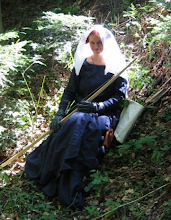
Meanwhile, for your delectation, a picture that fits the wonderful weather outside:


They are not out yet, but if the weather continues like this, they will be soon!

Thursday, 19 February 2015

Kent Archaeology Journal.

Here I am, late-blogging again. This time, though, I have more than my own feeble words for you - there is a link. The Kent Archaeological Society has a journal called Archaeologia Cantiana, existing since 1858, and it's online, with many, many .pdf articles that might be of interest to you.

It covers a huge variety of topics, from architecture to Kentish dialect in the late Middle Ages to wall paintings and coinage. Check it out. I'm sure you will find at least one article that will interest you!

Wednesday, 18 February 2015

How long can it take to finish up a manuscript?

The answer? Very long. It can take very, very long indeed.

We're making progress, though. The list of pictures is slowly growing, as is the number of references in their final format. That's not hard work, but nitpicky stuff that includes lots of looking up the missing details in the references. Final edit has been done, and there are only a few last little issues that need discussing, checking, or clearing.

Which is very good - since the clock is ticking. Soon now. Soon.

Tuesday, 17 February 2015

I'm back!

Well, more or less. I'm still feeling the strain of the editing marathon, but things have settled down a bit, and I can concentrate on the other stuff now. There also was a nice bit of resting time on the weekend, which was utterly necessary and did a world of good.

The other stuff is finishing up the picture collection, tidying up the reference formats, and taking care of stray odds and ends in the index word list. Which sounds like easy-peasy work, and it sort of is, but it's also mind-numbing and time-consuming. Not many days left to suffer from this, though!

Thursday, 12 February 2015

Totally swamped.

As this very, very late blog post might tell you, I've been swamped. I managed to finish the proofread yesterday, but I still need to transfer a good-sized portion of the corrections into the file, and well... other things have been set aside and need to be dealt with, too.

So I'll do the smart and sensible thing and will leave off blogging until next week - I'll probably be back on Tuesday.

And now back to my way-past-schedule manuscript corrections and back to the two Big Questions: Why on earth did we write that much? And why did it seem like a good idea at that time to make all these corrections?

Wednesday, 11 February 2015

Guess what I'm still doing?

Right.


The end is nigh, though, as you can see from the much-diminished stack of paper to the right - the one without all the red speckles at the side and in the text.

In case you are wondering about the speckles in the margin, I'm using a standardised system of correction marks - Germany has that thing about standardising stuff, and this is one of the instances where rules come in really handy. I learned it out of the Duden (something like the Merriam-Webster for German), way back when I first started copyediting. The basic principle, and the most important one: You do a mark in the text where the correction is needed, then you repeat the same mark in the margin and write out the correction. For inserting commas, you strike the mark right through the last letter of the word, then repeat the letter and place a comma behind it in the margin note. For lots of corrections in one line, you need to be inventive with the marks - but it always remains very clear and very unambiguous, and you only need to scan the margin to see where your next correction will be. There are a few additional special marks, such as "close up margin" or "insert margin" or "italicise", but they are not as important as that basic principle.

I've edited many a manuscript using this system, as it's clear and works well even if lots of corrections are needed. The sheet on the bottom left is for note-taking so I can keep track of the things that need it. The chocolate and tea should be obvious, and the apple is there to make it look as if I might choose a healthy snack. (Hah. Maybe I will.)

The cup, by the way, states my intention for this thing and this day!